Roof Repair in Cypress, TX
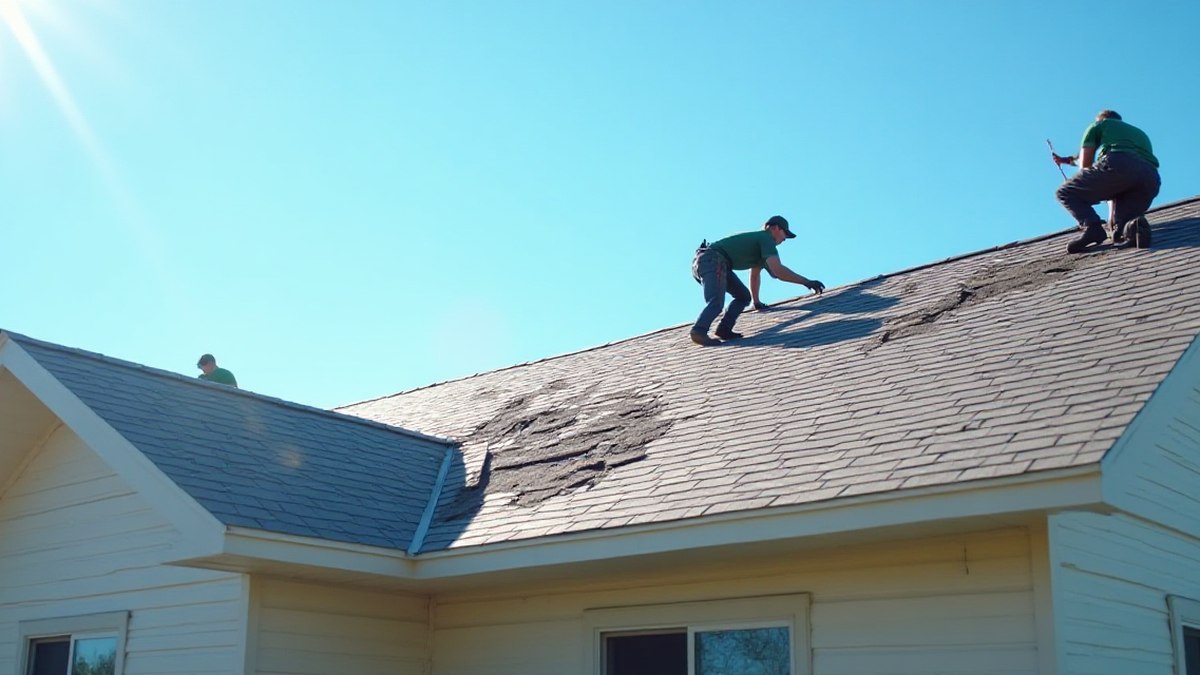
Cypress is almost entirely master-planned, which means two things for your roof: a committee decides what goes on it, and there is nothing tall enough to shade it. The second one is quietly shortening its life.
Call 832-662-4107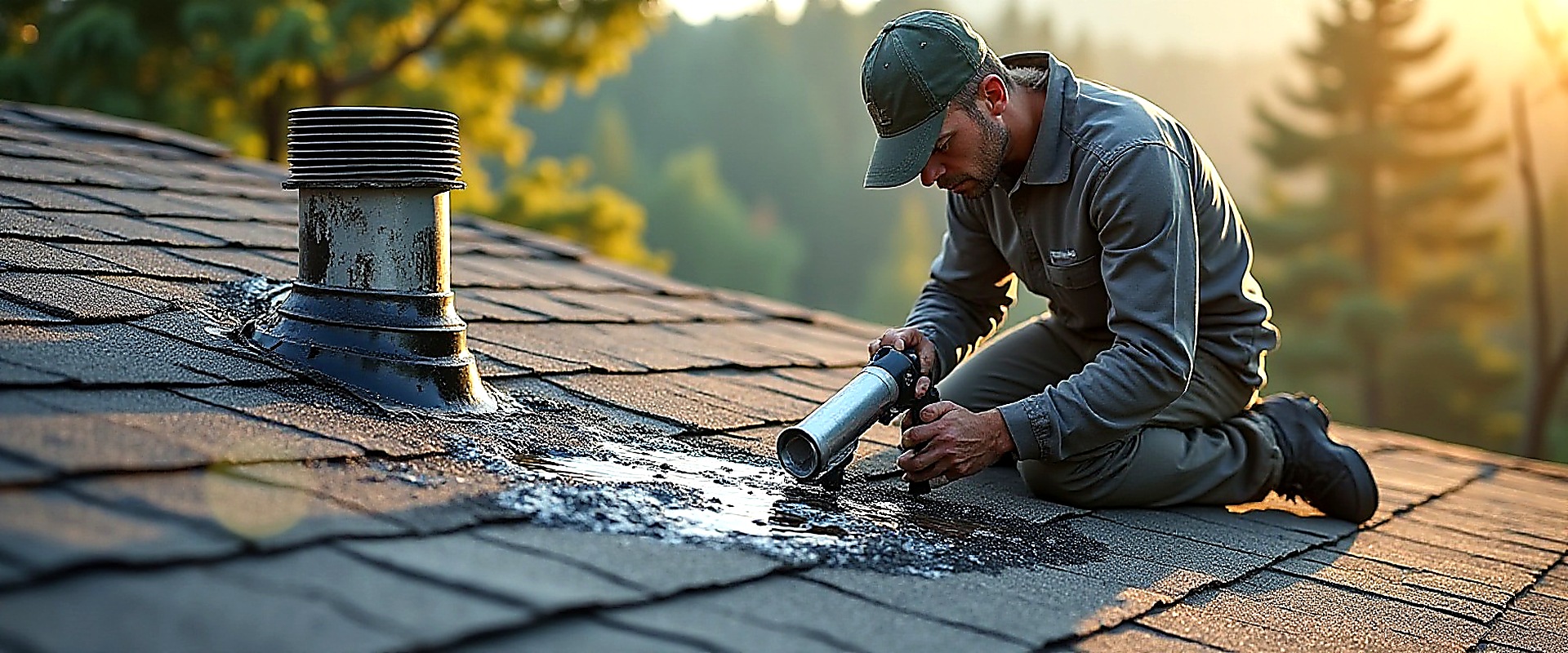
An unshaded roof ages faster, and Cypress has no shade
Bridgeland, Fairfield, Towne Lake, Coles Crossing, Blackhorse Ranch — built on former farmland, landscaped with young trees. Nothing on those lots is tall enough to shade a roof, and will not be for twenty years.
That means every square foot of your roof takes the full ultraviolet load every day, plus surface temperatures that go far beyond air temperature. A dark shingle in a Houston August can reach well above 150 degrees.
The consequence is straightforward: asphalt shingles dry out, lose flexibility, shed granules and reach the end sooner. A product rated for twenty-five years commonly gives fifteen to eighteen here, and an unshaded roof sits at the lower end.
Ventilation is the lever you actually control
You cannot shade the roof and you often cannot change its colour. What you can change is what happens underneath.
A roof cooks from both sides. Sun above, and a superheated attic below if air is not moving through it. Proper ventilation means intake at the soffits and exhaust at the ridge, working together — and a great many production-built homes have exhaust without adequate intake, which does very little.
Worth checking: go into the attic on a hot afternoon. If it is dramatically hotter than outside and there is no perceptible air movement, ventilation is the problem. Fixing it is inexpensive relative to a roof and it extends the life of the next one.
- Soffit vents blocked by insulation is the most common fault. Insulation gets pushed into the eaves and closes off the intake.
- Ridge vent without soffit intake cannot pull air through. It needs both.
- Painted-over soffit vents from an exterior repaint.
Deed restrictions decide the material
Cypress communities generally control shingle colour and profile through the architectural committee, and approval comes before the work rather than after.
Two practical points. Get the approved list before you get quotes, so you are pricing something you can actually fit. And build two to four weeks into the schedule for approval, longer if the committee meets monthly.
If a lighter colour is on the approved list and you have a choice, it helps with attic temperature — though less than fixing ventilation would.
What fails first on a Cypress roof
| Component | Why it goes first here |
|---|---|
| South and west slopes | The most sun. Expect visible difference against the north slope within ten years |
| Pipe boots | Rubber in full sun cracks at ten to fifteen years while the roof is still good |
| Ridge caps | Most exposed to both sun and wind |
| Sealant at flashing | Heat cycling breaks the bond faster than in shaded conditions |
A cracked pipe boot is the single most common cause of a leak on an otherwise healthy Cypress roof. It is an inexpensive repair, and a contractor recommending full replacement for one should be asked what else they found.
Before you call
- Which community, and whether you know your deed restrictions on roofing.
- Year built, and whether the roof is original.
- Which slope the problem is on.
- Whether you have ever had the attic ventilation looked at.